About
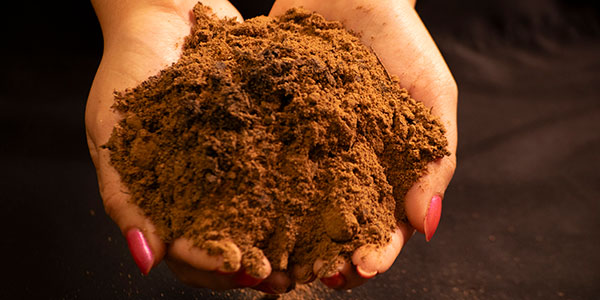
This program focuses on identifying and using eco-friendlier strategies to maintain a sustainable soil ecosystem for plant growth and stress resilience. The key focus is to improve soil health. Soil health, often referred to as soil quality, is the continued capacity of soil to function as a vital, living ecosystem that sustains plant life. Rather than viewing dirt as just a lifeless medium to hold plant roots, the concept of soil health recognizes that soil is teeming with billions of bacteria, fungi, and other microbes, enzymes and their products, and storage house for organic carbon. A healthy soil balances three key components:
- Biological: A thriving food web of earthworms, insects, fungi, and bacteria.
- Chemical: Optimal pH levels and a rich supply of accessible nutrients (like nitrogen, phosphorus, and potassium).
- Physical: Good soil structure and texture that allows roots to grow easily and lets air and water move through it.
Why Soil Health Matters
Healthy soil is the foundation of our entire ecosystem. Its impact extends far beyond the farm, affecting everything from the food we eat to the global climate. Here is why it is so critical:
Food Security and Nutrition
Almost 95% of our food comes directly or indirectly from the soil. Healthy soils provide the essential nutrients, water, and root support that plants need to grow. Crops grown in nutrient-rich, biologically diverse soil produce higher yields and are generally more nutrient-dense, which directly impacts human health.
Climate Change Mitigation
Soil is one of the Earth’s largest carbon sinks. Healthy soil—particularly soil rich in organic matter—pulls carbon dioxide out of the atmosphere and stores it underground. By protecting and restoring soil health through regenerative agriculture, we can actively reduce greenhouse gases and combat climate change.
Water Filtration and Storage
Think of healthy soil like a giant sponge. Good soil structure allows it to absorb and hold onto water, which keeps plants hydrated during dry spells and droughts. Additionally, as water percolates through healthy soil, the microbes and minerals act as a natural filter, removing toxins and pollutants before the water reaches underground aquifers and streams.
Biodiversity Habitat
Soil is one of the most diverse habitats on Earth. A single teaspoon of healthy soil can contain more living organisms than there are people on the planet. This biodiversity is essential for breaking down organic matter, recycling nutrients, and keeping pest populations in check naturally, which reduces the need for synthetic pesticides.
Erosion Control and Resilience
Degraded, lifeless soil is easily washed away by rain or blown away by the wind. Healthy soil is bound together by plant roots, fungal networks, and organic matter, making it highly resilient to extreme weather. This prevents topsoil loss and protects nearby waterways from agricultural runoff.
Program Objectives
This USDA-NIFA-funded program at the University of Houston focuses on silicate amendments as a key nutrient management strategy to maintain a healthy soil ecosystem for human-derived benefits. The program focuses on:
- Elucidate Si mobilization and uptake in the rhizosphere with reactive nutrients and sequestration of CO2.
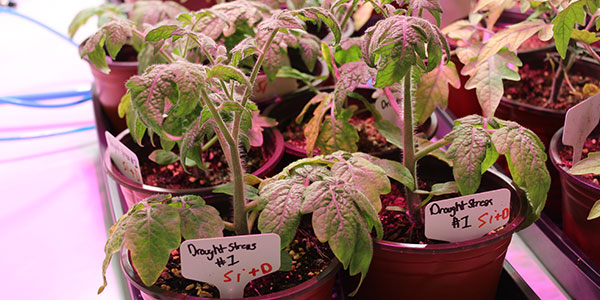
- Investigate the effect of Si on physiological and molecular responses of soybean under salinity stress
- Determine the CO2 sequestration process and perform phenotyping and biomass production assessment during Si application.
Partners
- Prairie View A & M University
- University of North Carolina at Greensboro
Key Questions
- How do factors (pH and root exudation) influence Si’s transport, cycling, and binding potential from primary minerals into silicic acid (bioavailable silicates) in agricultural soil systems?
- How does Si interact with reactive nutrients (Ca, Na, and Fe) to facilitate the mobilization and CO2 sequestration process in soil?
- What are the genomic responses combined with Si application and salinity stress?
- How does root exudation (organic acids and isoflavones) influence Si uptake and mobilization?
- How can the Si-CO2 interactions help improve soil and microbial health and plant biomass in soils?